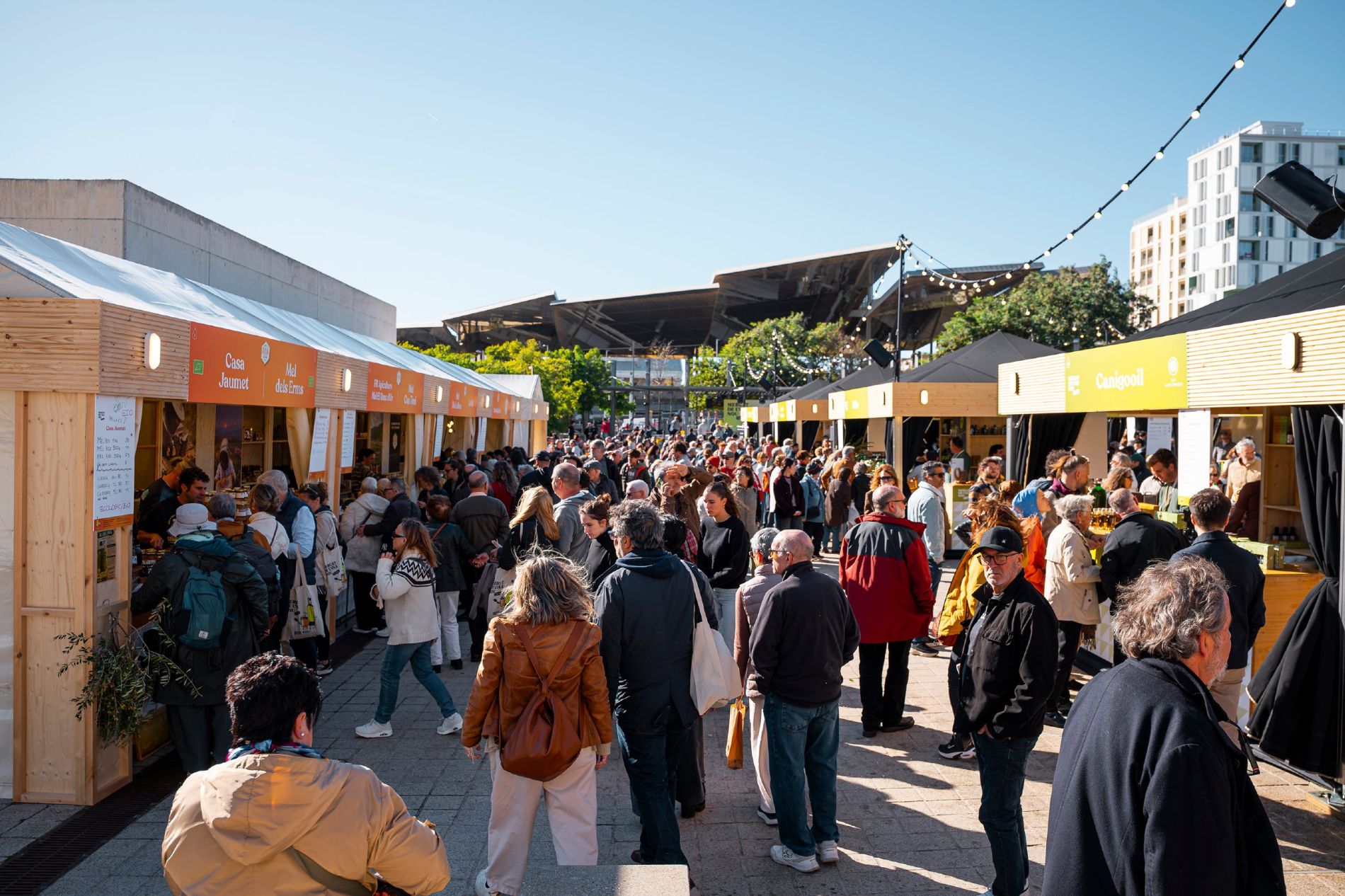
The Mercat de l'Oli Nou i la Mel (New Olive Oil and Honey Market) closed its second edition on Sunday 22 November with record attendance and sales, according to the organisers. Over three days, Plaça Josep Antoni Coderch, in the Glòries area of Barcelona, brought together 45 olive oil exhibitors and 15 honey producers, giving the public the chance to discover, taste and buy new-season olive oil, honey and young wine directly from those who make them.
The event is promoted by the Government of Catalonia's Department of Agriculture, Livestock, Fisheries and Food through PRODECA, the Catalan food promotion agency. After its debut in Plaça de Catalunya, this edition moved to Glòries and added honey, broadening the offer and raising the profile of the beekeeping sector alongside extra virgin olive oil (EVOO) from the new harvest.
Producers particularly highlighted the profile of the buyers: mostly local, more likely to return and interested in locally sourced products. According to the organisers, average spending rose by around 40% compared with the first edition.
Catalonia's five PDOs and MAAC honey
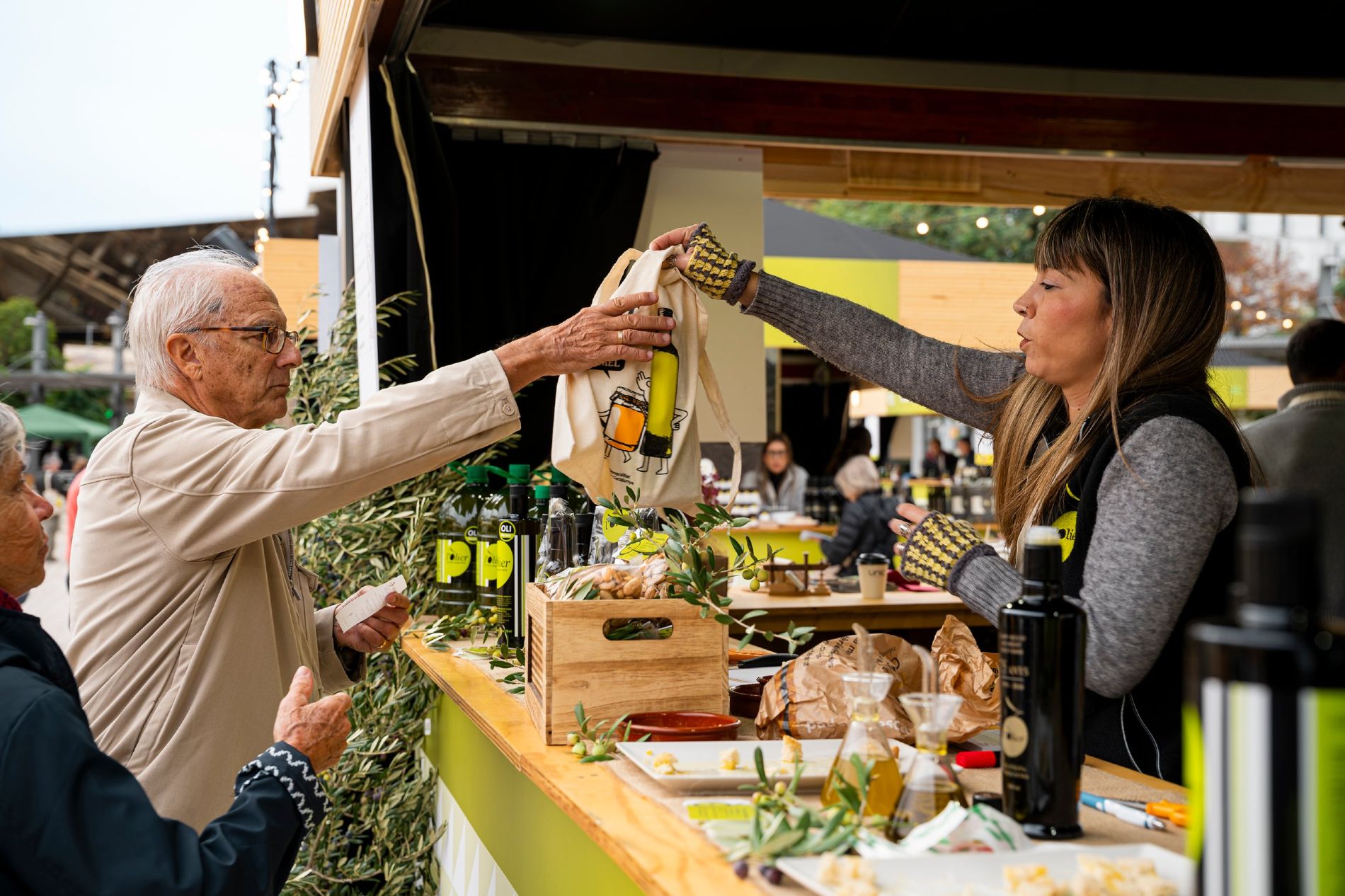
The new-season oil showcased the diversity of Catalan olive growing, with all five Catalan protected designations of origin (PDOs) for EVOO represented: Les Garrigues, Siurana, Aceite de Terra Alta, Aceite del Baix Ebre-Montsià and Aceite de L'Empordà. Cooperatives, small and medium-sized producers and family farms shared with visitors the origin of their products, their olive varieties and the particular features of each area.
Alongside them, the 15 honey producers, all holders of the MAAC label (Honey from Catalan Beekeepers), displayed the diversity of the region's honeys in a dedicated area for the label.
“The results of this second edition are outstanding, both in terms of visitor numbers and producers' sales, and show that there is growing public interest in quality food, in where it comes from and in the people behind it. Catalonia is a benchmark for products such as extra virgin olive oil and honey, and markets like this are a key tool for promoting Catalan agri-food products, strengthening the link between producers and consumers and adding value across the whole food chain,” said the Catalan Minister for Agriculture, Livestock, Fisheries and Food, Òscar Ordeig.
Dèlia Perpiñà, Managing Director of PRODECA, said that “this second edition confirms urban consumers' interest in local food, which has shown its commercial appeal to a very demanding public. The fair's success also comes from bringing in the honey producers and from the presence of Catalan wines and young wine, which have broadened the offer and created new pairings for discovering the region's food.”
Tastings, live cooking and full houses
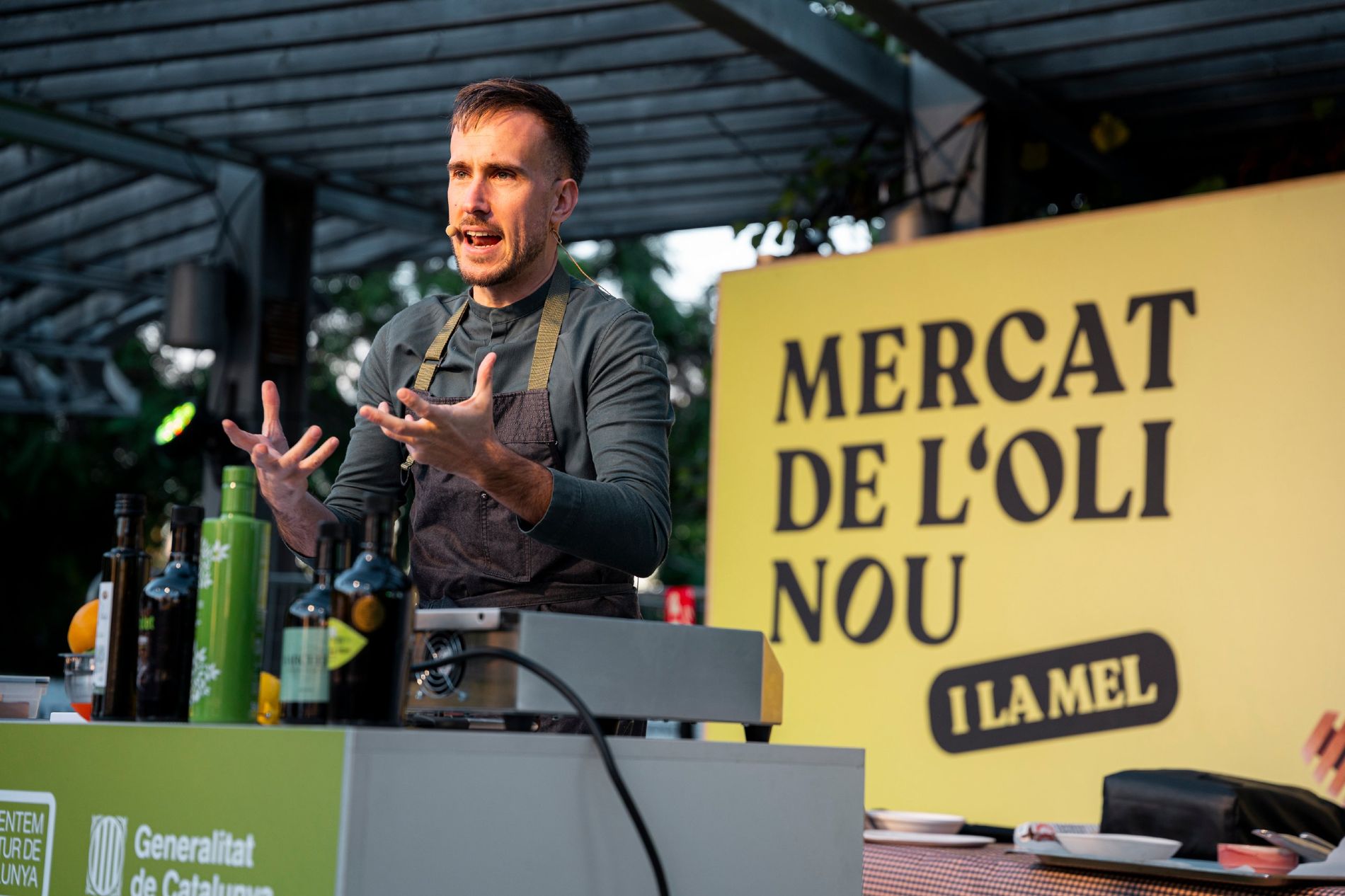
The free activities of “El aula del aceite y la miel” (The Olive Oil and Honey Classroom) were fully booked for every session. Some 600 people took part in around twenty workshops, tastings and live cooking demonstrations, which showed the culinary versatility of both products, from traditional recipes to more creative dishes.
Participants included chefs Rafel Muria (Quatre Molins), Laia Coma (Mare de la Font), Fran López (Villa Retiro) and Jeroni Castell (Les Moles); pastry chef Miquel Guarro; professionals from the Alícia Foundation; and food communicators Gemma Muray and Ariadna Ràfols, of Caram Caram, among others.
“La cocina del Mercat” (The Market Kitchen) offered a menu by Fran López, a chef with one Michelin star. The route was completed by an area devoted to PDO and PGI products and, led by INCAVI, “La barra del vino catalán” (The Catalan Wine Bar) and “Los vinos catalanes del Mercat” (The Market's Catalan Wines), with young wine taking centre stage. Live music from Sara Roy, Suu and DJ Txarly Brown, and on-stage cooking by Arnau París featuring EVOO and honey, accompanied visitors throughout the weekend.
 Sentido Común Internet
 Agrifood Comunicación

 Solo disponible accediendo desde Safari
