
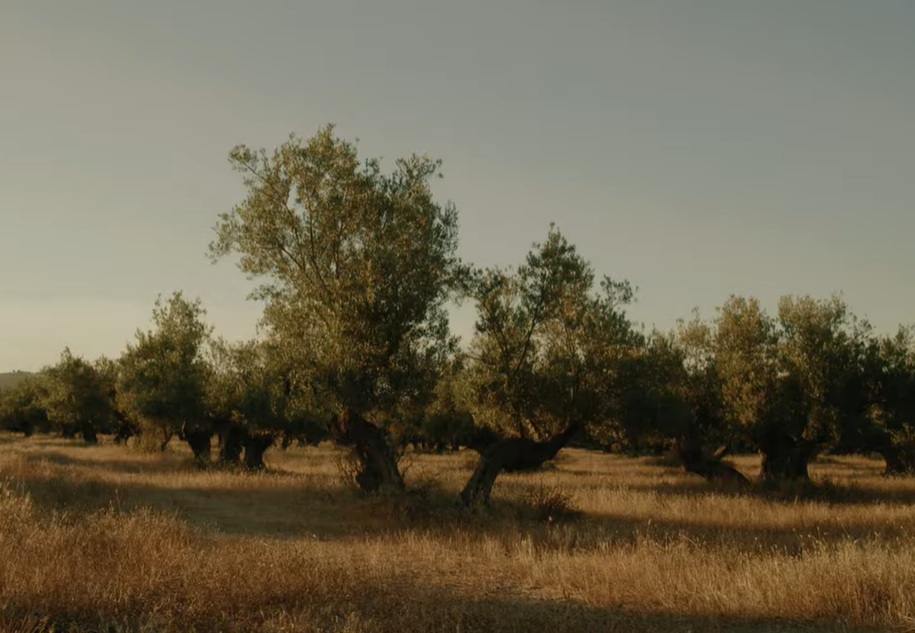
The Council for Agricultural Research and Analysis of Agricultural Economics (CREA) and the International Olive Council (IOC) have signed a Memorandum of Understanding (MoU) aimed at strengthening scientific, technical, and training cooperation in the olive and olive oil sector—an essential resource for the Mediterranean economy and culture.
The agreement was signed by Prof. Andrea Rocchi, President of CREA, and Dr. Jaime Lillo, Executive Director of the IOC, with an initial four-year term. The signature, carried out electronically, marks a new chapter in the institutional collaboration between the two entities, which have already maintained links for several years in research and evaluation of olive germplasm.
An Agreement to Address the Challenges Facing the Olive Sector
The document underscores the importance of the olive tree as a key crop for the economy, environmental stewardship, and Mediterranean cultural identity. Both institutions emphasize that research is an essential tool for promoting sustainable, smart, and inclusive growth in the sector—particularly in a global context shaped by climate change and the need to increase productivity without compromising natural resources.
Key Areas of Collaboration
The new MoU sets out an extensive joint work agenda, including:
Development of international, regional, and national training activities.
Promotion of research and innovation projects in the olive sector.
Organization of scientific symposia and specialized events.
Knowledge exchange and participation in OLIVAE, the official IOC publication.
Creation of internship and professional training opportunities for young specialists.
Cooperation in cultural and scientific events related to olive cultivation and olive oil.
The agreement clarifies that it does not entail financial commitments between the parties. Each institution will cover the costs of the activities in which it participates, and specific projects may be supported by additional funding agreements.
The MoU also sets strict guidelines regarding the use of names, logos, and confidential information, as well as intellectual property rights arising from joint work. These measures aim to ensure transparency and institutional integrity throughout the collaboration.
 Sentido Común Internet
 Agrifood Comunicación

 Solo disponible accediendo desde Safari
