
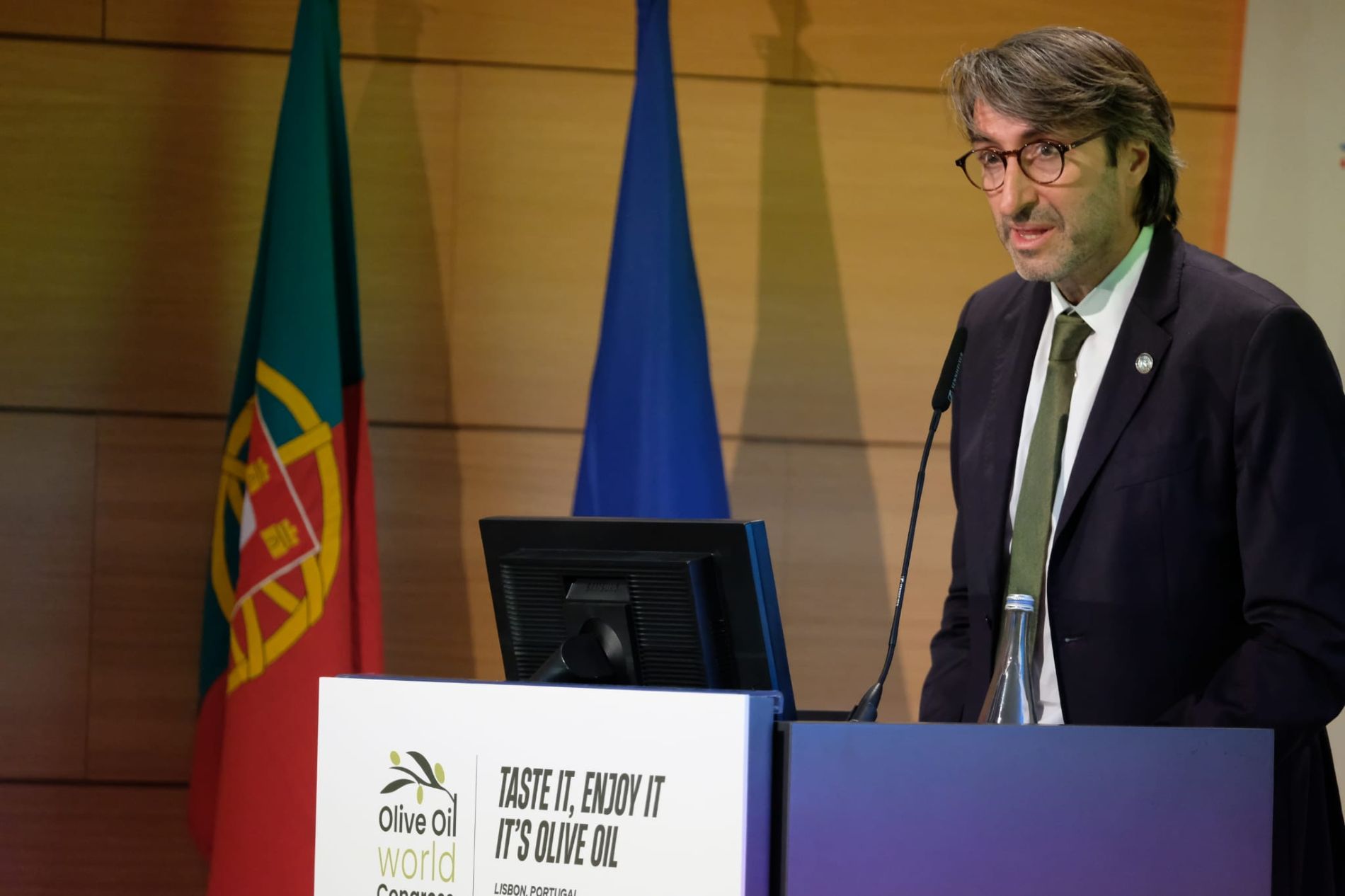
The iconic Belém Cultural Center in the Portuguese capital today hosted the opening ceremony of the Olive Oil World Congress (OOWC), the world’s largest scientific, institutional, and business forum for the olive oil sector, which will transform Lisbon into the world capital of olive oil for the next two days.
The event brings together more than 300 researchers, producers, government representatives, and industry leaders from over fifty countries to discuss the future of a sector that faces both the challenge of meeting growing global demand and the imperative to produce more sustainably.
The opening ceremony was presided over by José Manuel Fernandes, Portugal’s Minister of Agriculture and Maritime Affairs, who stated that “it is a great honor for Portugal to host the World Olive Oil Congress. This event reflects our country’s growing importance as one of the world’s leading producers and exporters of olive oil. It also represents a unique opportunity to bring together scientists, producers, and policymakers to address the major challenges facing the sector—from climate change to market resilience—while promoting innovation, sustainability, and international recognition of Portuguese olive oil.”
Alongside him, Jaime Lillo, executive director of the International Olive Council (IOC), emphasized that “the fact that the second Olive Oil World Congress coincided with the meeting of the Consultative Committee and the plenary session of the International Olive Council made it possible to bring together in Lisbon the leading representatives of production, the industry, exports, and research, along with olive oil policymakers and leading companies in the sector, turning this Portuguese city into the world capital of olive oil and table olives for these few days.”
Likewise, the IOC’s executive director stated that “this is a unique opportunity for dialogue and for the entire olive oil community to come together—an exceptional forum for sharing ideas and seeking solutions to the sector’s main challenges, many of which have been the focus of our discussions these past few days and are outlined in the Córdoba Declaration adopted last year.”
The political significance of the meeting was evident with the presence of Anton Refalo, Malta’s Minister of Agriculture, Fisheries, and Animal Rights; Rezq Salimiya, Minister of Agriculture of the State of Palestine; and Rana Tanveer Hussain, Pakistan’s Minister of National Food Security and Research.
In addition, the event was attended by Julián Martínez Lizán, Regional Minister of Agriculture, Livestock, and Rural Development for Castilla-La Mancha (Spain), representing the region’s producers and its “Campo y Alma” quality assurance label.
Food as Both a Problem and a Solution
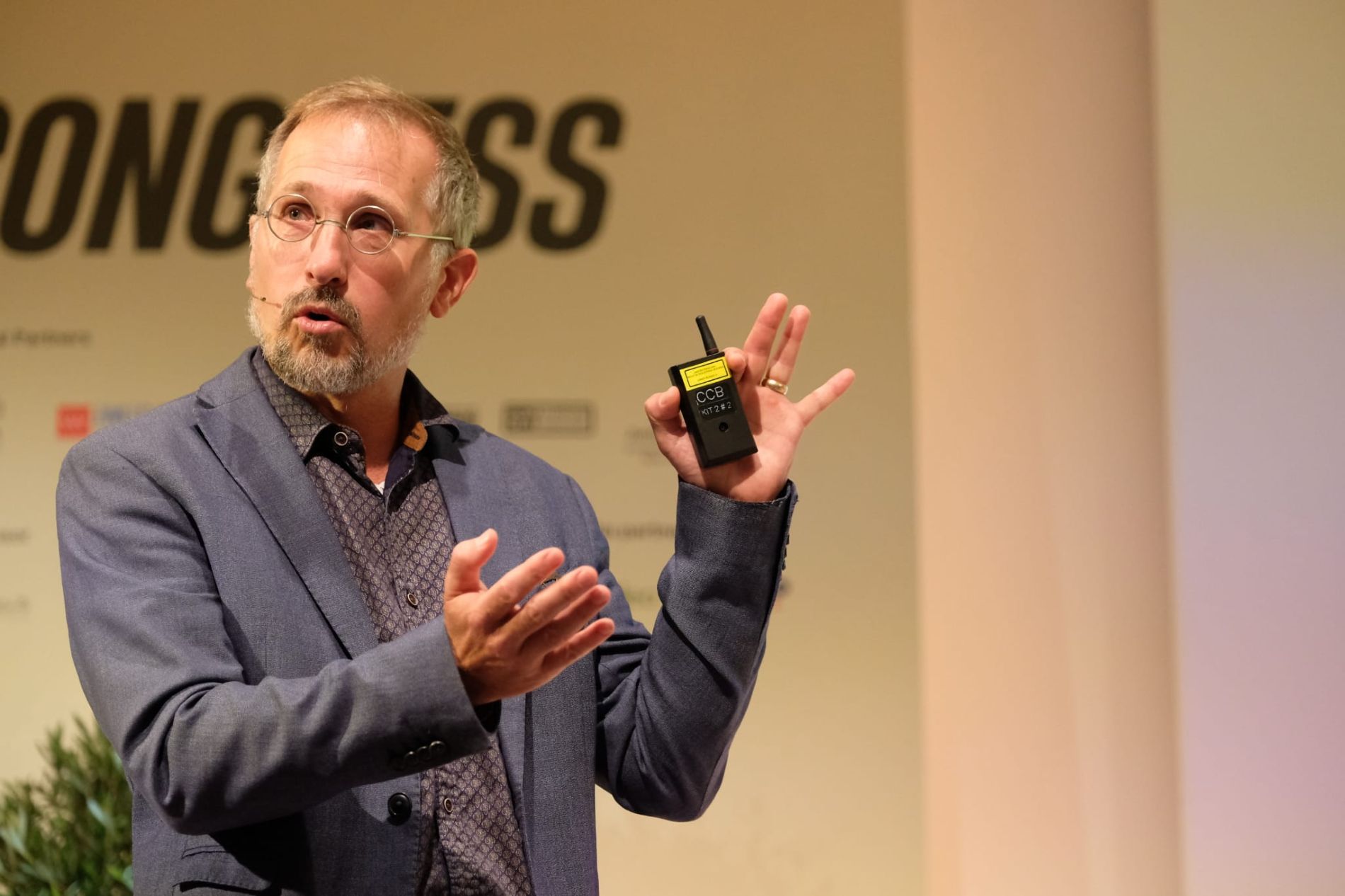
The opening lecture, titled “The Future of Olive Oil in a Changing World: Innovation, Climate, and Global Demand,” was delivered by Dr. Fabrice DeClerck, a leading scientist with the EAT-Lancet Commission, the international scientific body that establishes guidelines for healthy diets and sustainable food systems. DeClerck opened his remarks with a stark assessment: “The current food system already causes 15 million premature deaths per year and is primarily responsible for pushing us past planetary boundaries, but that same system is also our greatest opportunity to reverse course.”
Drawing on the “Planetary Healthy Reference Diet”—whose 2025 edition incorporates food justice as a third pillar alongside health and sustainability—the researcher identified olive oil as the model oil for the global dietary transition, due to its high content of monounsaturated fatty acids and bioactive polyphenols associated with cardiometabolic benefits and reduced mortality. DeClerck also emphasized its cultural value as a catalyst for behavioral change: “Olive oil is not just a nutrient; it is a public health policy tool and a bridge toward healthier eating patterns for millions of people”.
The speaker highlighted the unique advantages of olive groves as a perennial agricultural system compared to annual crops: long-term carbon sequestration, reduced soil erosion, preservation of biodiversity, and the provision of ecosystem services. He emphasized that regenerative practices—ground cover, integrated pest management, efficient irrigation, and agroforestry integration—can make olive groves a strategic ally in the fight against climate change. DeClerck concluded his remarks with recommendations for key stakeholders—farmers, cities, healthcare professionals, distributors, and restaurant owners—highlighting the structural barriers that must be overcome to ensure that the transition toward healthier and more sustainable food systems is both real and equitable.
With this opening ceremony, the OOWC has kicked off two days of high-level sessions that will address crop genetics and production, irrigation and fertilization, manufacturing processes, product quality and safety, the sensory properties of extra virgin olive oil, the relationship between olive oil and health, the bioeconomy, sustainability, international trade, and gastronomy. The first day will conclude this afternoon with a tasting of olive oils from around the world and a dinner for conference attendees featuring an awards ceremony, while Friday’s closing session will bring the event to a close with a panel discussion on innovation in olive groves and olive oil.
The participation of representatives from different continents reflects the global expansion of olive oil consumption, driven by growing health awareness and the international prominence of the Mediterranean diet.
The Congress has the institutional support of the International Olive Council (IOC), CIHEAM Zaragoza, and the Mediterranean Diet Foundation, along with public entities such as the Portuguese Ministry of Agriculture and Maritime Affairs, the Regional Government of Castilla-La Mancha (“Campo y Alma”), the Government of Catalonia, the Regional Government of Andalusia, and IMIDRA.
In the private sector, this second edition is currently supported—in addition to Olivum—by organizations such as AgroBank, BPI (part of the Caixabank Group), the Spanish Olive Oil Interprofessional Association, GEA Group, Novonesis-Univar Solutions, APOAC (Association for the Promotion of Olive Groves and Olive Oil from Aire and Candeeiros) with its brand ‘Olivedos do Carso’, Adsaica (Association for the Development of the Aire and Candeeiros Mountains), Feria de Zaragoza (ENOMAQ), Kubota, Dazeite, and Siliker.
 Sentido Común Internet
 Agrifood Comunicación

 Solo disponible accediendo desde Safari
