
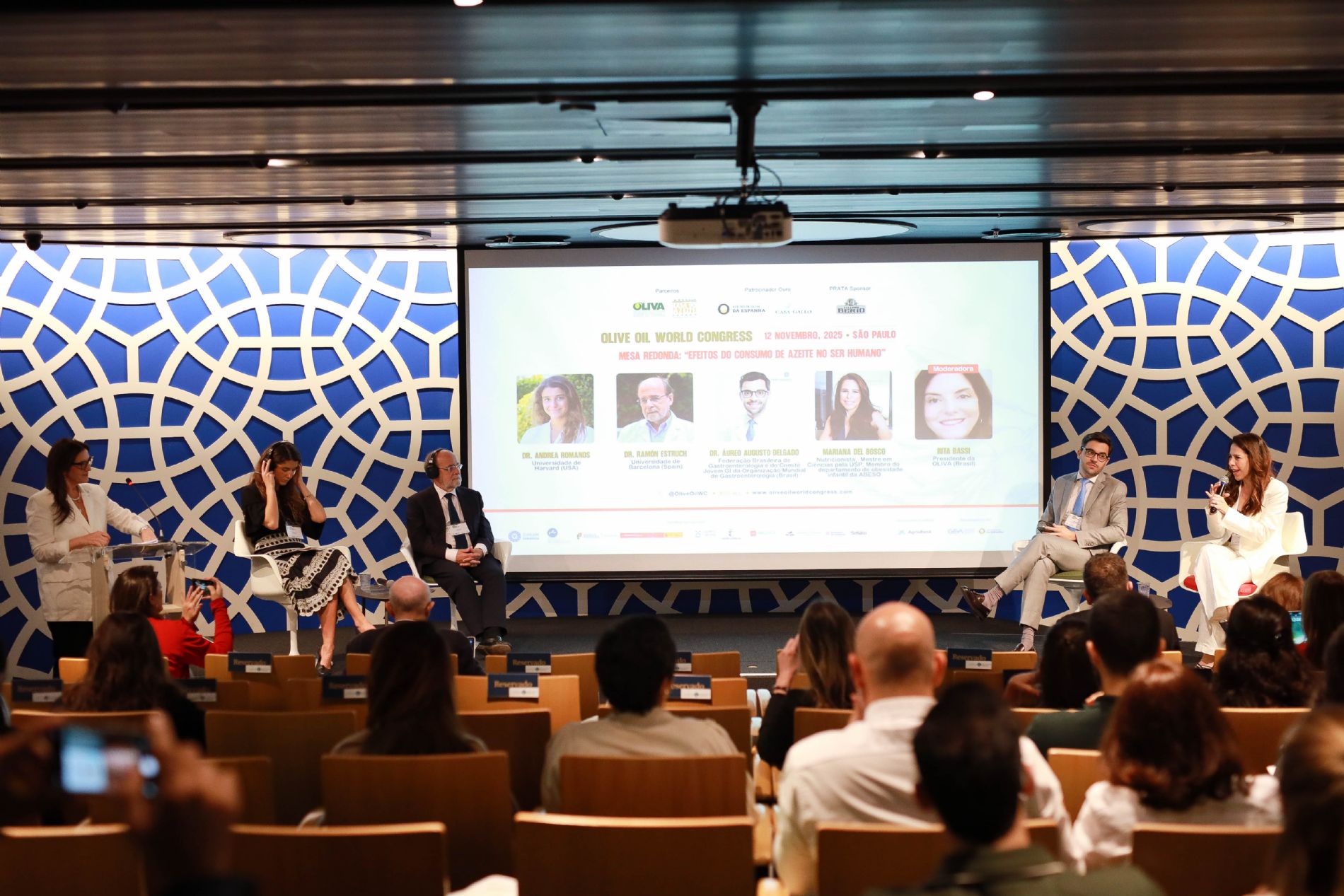
São Paulo hosted the 1st International Symposium on Olive Oil and Health in Brazil, “Azeite e Saúde,” a gathering that brought together national and international specialists to discuss the current evidence on the role of olive oil in promoting health and preventing chronic diseases. The event was organized by the Olive Oil World Congress, together with the Brazilian Association of Olive Oil Producers, Importers and Traders (OLIVA) and Casa do Azeite (Portugal), with sponsorship from the Spanish Olive Oil Interprofessional, Gallo and Filippo Berio.
Researchers from Harvard and Barcelona universities, along with Brazilian professionals, presented the latest scientific evidence reinforcing the central role of extra virgin olive oil in preventing cardiovascular and metabolic diseases and even certain types of cancer, in addition to being the cornerstone of the Mediterranean diet—an eating pattern widely recognized for its positive health effects.
The Mediterranean diet is considered one of the healthiest and most studied dietary models in the world. Inspired by the traditional habits of countries bordering the Mediterranean—such as Italy, Spain and Greece—it prioritizes fresh, natural and minimally processed foods. Its foundation includes fruits, vegetables, whole grains, legumes, nuts, fish, wine and, above all, extra virgin olive oil, acknowledged as its main source of healthy fat.
Epidemiologist Dr. Miguel Á. Martínez-González, Professor at the University of Navarra and Harvard, emphasized that extra virgin olive oil should be the primary fat source in the Mediterranean diet. According to him, “There is no full adoption of this eating pattern without the regular and generous use of olive oil.” He also added that olive oil and red wine—when consumed in moderation—form the “liquid aspect” of the diet, bringing together flavor, balance, and protection against chronic diseases.
He reinforced the importance of an active lifestyle, valuing natural foods, and reducing the consumption of processed meats: “The Mediterranean diet is far from restrictive; it prioritizes an eating pattern that is pleasing to the palate, rooted in culture, and based on conscious choices,” he concluded.
New research presented at the event further expanded the understanding of how extra virgin olive oil contributes to health. Gastroenterologist Dr. Áureo Augusto Delgado highlighted studies showing an association between regular olive oil consumption and reduced risk of colorectal and gastric cancers. These effects may be related to the oil’s antioxidant and anti-inflammatory action on the intestinal mucosa. Although still a developing area, Delgado stated that “the results are promising and may, in the future, lead to more specific recommendations for at-risk populations.”
Ramón Estruch, Professor of Medicine at the University of Barcelona, presented results from various studies, such as PREDIMED, which showed that “greater adherence to the Mediterranean diet and the MIND diet is associated with a lower risk of both ischemic and hemorrhagic strokes.” In contrast, other dietary patterns, such as the DASH diet and the planetary diet, “would only significantly reduce the risk of hemorrhagic stroke,” he added.
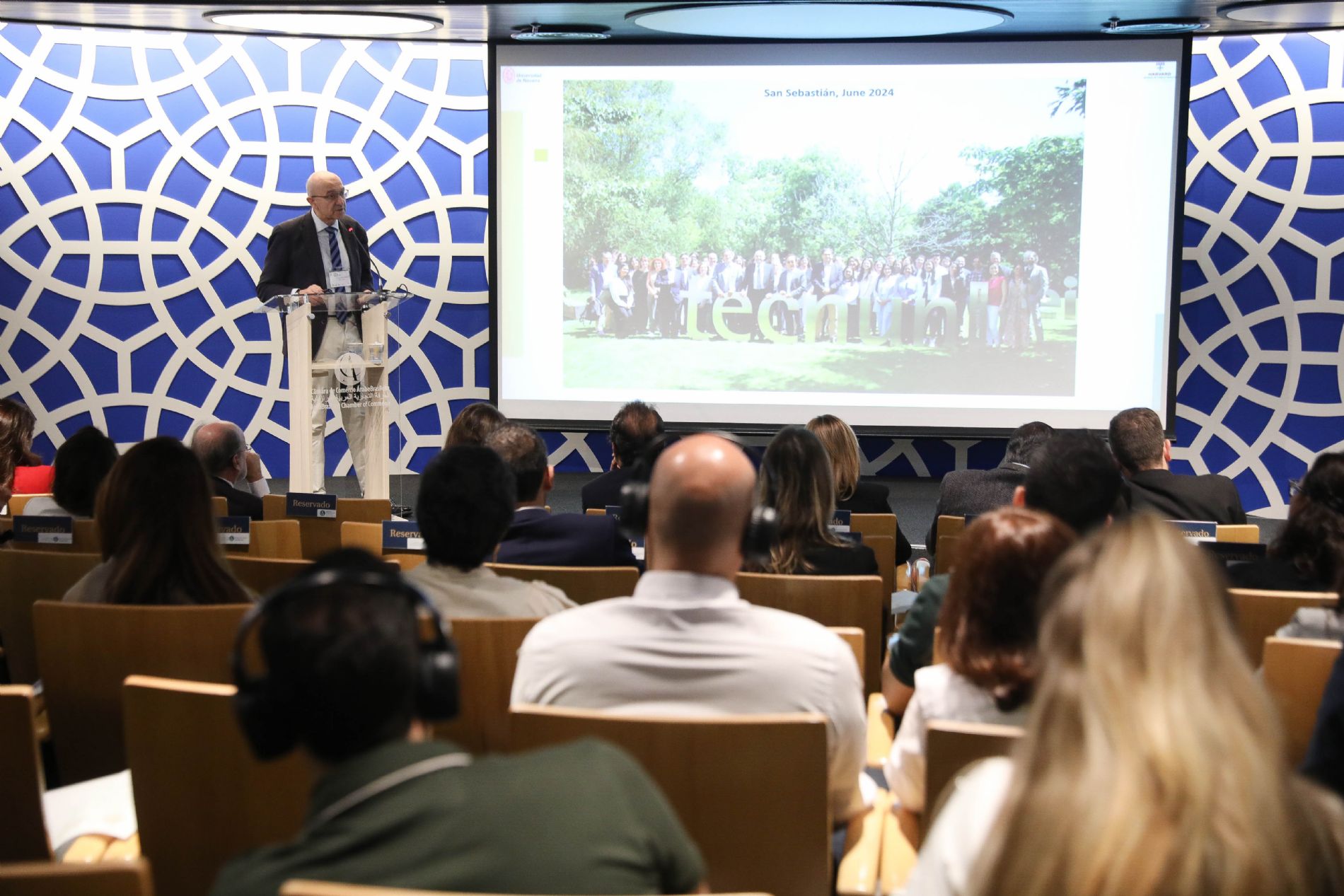
Researcher Dr. Andrea Romanos, professor of medicine at Harvard University, reinforced the idea that extra virgin olive oil is also associated with a reduced risk of type 2 diabetes, breast cancer, urinary tract tumors and obesity. “Recent studies even indicate a possible reduction in mortality from dementia, pointing to benefits for cognitive health.”
Nutritionist Mariana Del Bosco presented a comparison between the Mediterranean diet and the Brazilian dietary pattern. As she explained, “the abundance of fruits and vegetables in the country, in addition to the daily consumption of legumes such as beans, brings Brazil closer to this model considered ideal by science.”
The greatest challenge, however, lies in olive oil consumption in Brazil: today, Brazilians consume on average only 1/2 liter per year, a figure far lower than that observed in Mediterranean countries. For Del Bosco, “this represents a great opportunity for nutrition education, encouraging extra virgin olive oil as an essential element for improving the population’s health.”
Extra virgin olive oil is one of the most valuable ingredients for promoting health. Rich in bioactive compounds, polyphenols and antioxidants, the symposium highlighted the importance of making its use more widespread in Brazil, expanding its role not only as a condiment, but as a true ally in disease prevention and in promoting longevity.
So far, the OOWC has the support, for its organization, of institutions such as the International Olive Council (IOC); CIHEAM; the Mediterranean Diet Foundation; and various public and private entities, such as the Regional Government of Castilla-La Mancha, with its brand Campo y Alma; SOM Gastronomia of the Government of Catalonia; the Ministry of Agriculture, Fisheries and Food of the Government of Spain, through “Foods from Spain”; the Ministry of Agriculture and the Sea of Portugal; and the Madrid Institute for Rural, Agrarian and Food Research and Development (Imidra), as institutional sponsors. In the private sphere, the congress has the support of AgroBank; GEA; the Spanish Olive Oil Interprofessional; Gallo; and Filippo Berio.
Anyone interested in taking part can obtain information through the OOWC Technical Secretariat by calling +34 917 217 929 or sending an email to info@oliveoilwc.com
 Sentido Común Internet
 Agrifood Comunicación

 Solo disponible accediendo desde Safari
