
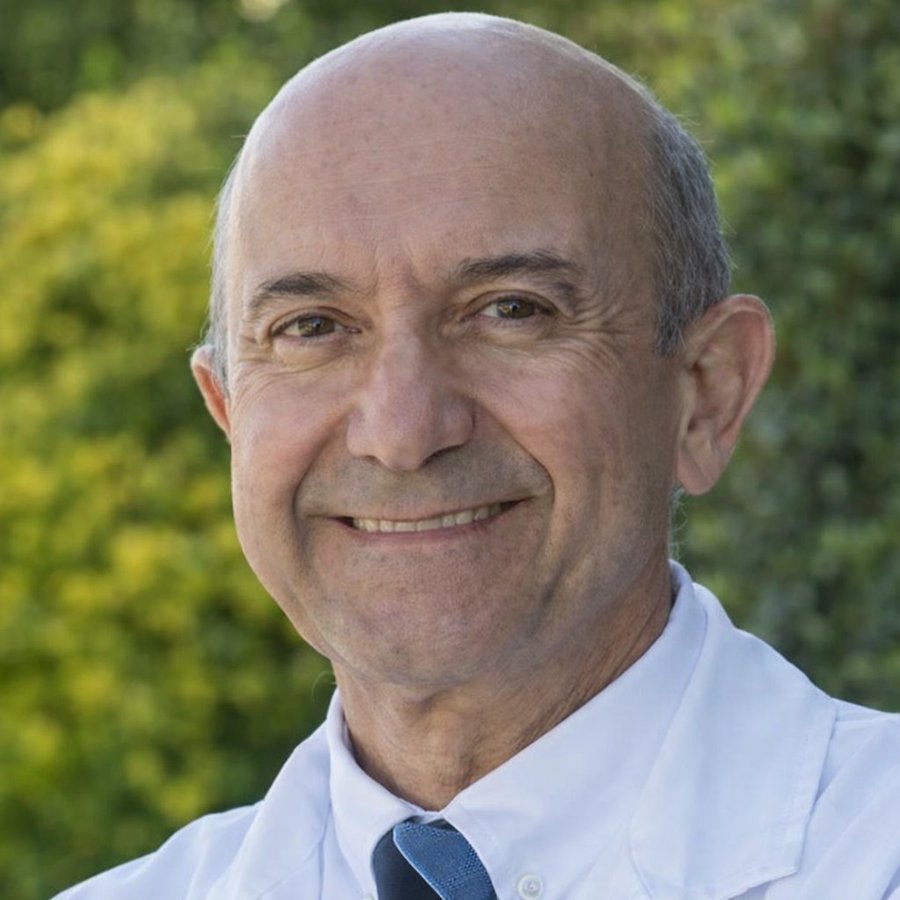
Miguel A. Martínez-González. Professor of Public Health at the University of Navarra (Spain) and Adjunct Professor at the Harvard T.H. Chan School of Public Health (USA)
At a time when nutrition is at the center of public and scientific debate, olive oil once again takes center stage at the Olive Oil World Congress. In your presentation within the segment dedicated to health, what reflection would you like to share about the role olive oil can play today in disease prevention?
Olive oil is the flagship of the Mediterranean diet. There is no other typical element of this nutritional pattern that is so specific, nor one that contributes such a high percentage of the total caloric intake. The Mediterranean diet, rich in olive oil, currently has the strongest scientific evidence available demonstrating a truly causal relationship in the long-term prevention of chronic diseases. This is because, in medicine, one cannot go beyond randomized controlled trials with hard clinical endpoints to demonstrate true cause-and-effect relationships. Only the traditional Mediterranean diet pattern has this level of evidence. For other dietary patterns and foods proposed as healthy, the evidence is only observational—without interventions, without control groups, and without long-term hard clinical outcomes.
Throughout your research career, how has the scientific community’s understanding of the impact of extra virgin olive oil on our health changed?
I believe there has been a very significant shift over the past 10–15 years in the global landscape of medical research in nutrition. The PREDIMED trial has been highly influential across all five continents. This shift has led the world’s leading researchers to consider extra virgin olive oil an essential component in promoting a globally healthy dietary pattern.
For years, the recommendation was to reduce fat intake in general. How can we explain in simple terms that not all fats are the same and that olive oil can be part of the solution rather than the problem?
The answer is simple. Today, it no longer makes sense to talk about more or less fat. What matters is the quality of fats, not their quantity. The low-fat diet (a diet low in all types of fats) failed in the largest nutrition trial ever conducted in the world: the Women’s Health Initiative Dietary Modification Trial, with more than 48,000 women aged 50–79 in the United States. It failed to demonstrate any capacity for cardiovascular prevention. The failure occurred because it focused on the quantity rather than the quality of fats. In contrast, PREDIMED was successful because it implemented an intervention based on increasing fats from olive oil and nuts, both of high quality.
Beyond the heart, there is increasing discussion about its possible role in preventing diabetes, certain types of cancer, or cognitive decline. What do we actually know today?
There is no doubt about the prevention of diabetes. In PREDIMED, using a randomized design and compared with a control group following a low-fat diet, the Mediterranean diet accompanied by the free provision of extra virgin olive oil reduced the relative risk of diabetes by 40%.
In that regard, does the quality of the olive oil we consume matter? Can we say that choosing extra virgin olive oil makes a tangible difference for health?
Yes, without a doubt. In 2026 we published an important study in the American Heart Journal, with preventive medicine physician Javier Pérez de Rojas as the first author, clearly showing that extra virgin olive oil (EVOO) has greater effectiveness in cardiovascular prevention. It is a very comprehensive analysis, covering a broad spectrum of cardiovascular disease and including numerous repeated measurements of consumption over time.
https://pubmed.ncbi.nlm.nih.gov/40907633/
Looking to the future, what should the production sector, healthcare professionals, and public policy makers do together to ensure that olive oil continues to establish itself as a key ally for global health?
For decades we have advocated that governments should impose taxes on junk food—not to increase revenue, but to subsidize and lower the consumer price of foods that have been proven to be healthy, such as extra virgin olive oil. I hope that one day scientists will be listened to.
In that regard, does the quality of the olive oil we consume matter? Can we say that choosing extra virgin olive oil makes a tangible difference for health?
Yes, without a doubt. In 2026 we published an important study in the American Heart Journal, with preventive medicine physician Javier Pérez de Rojas as the first author, clearly showing that extra virgin olive oil (EVOO) has greater effectiveness in cardiovascular prevention. It is a very comprehensive analysis, covering a broad spectrum of cardiovascular disease and including numerous repeated measurements of consumption over time.
https://pubmed.ncbi.nlm.nih.gov/40907633/
Looking to the future, what should the production sector, healthcare professionals, and public policy makers do together to ensure that olive oil continues to establish itself as a key ally for global health?
For decades we have advocated that governments should impose taxes on junk food—not to increase revenue, but to subsidize and lower the consumer price of foods that have been proven to be healthy, such as extra virgin olive oil. I hope that one day scientists will be listened to.
 Sentido Común Internet
 Agrifood Comunicación

 Solo disponible accediendo desde Safari
