
Lisbon will host the second edition of the Olive Oil World Congress (OOWC) on July 2 and 3, one of the most important international forums dedicated to the olive oil sector. The event will take place at the Belém Cultural Center and will bring together specialists, researchers, producers, companies, and institutional representatives from various olive oil-producing countries, reinforcing Portugal’s position as a global benchmark in the sector.
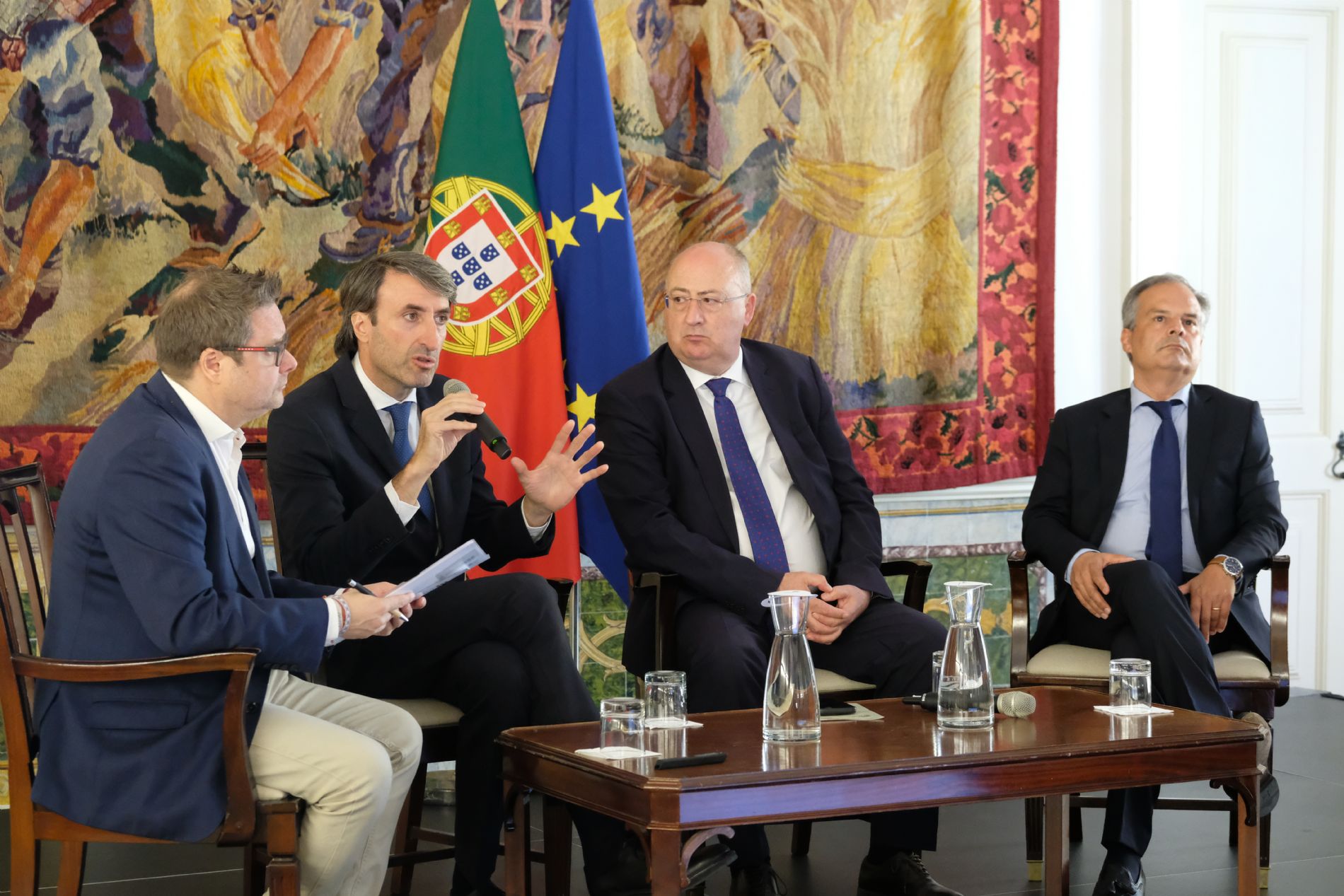
The official presentation of the 2026 edition of the congress took place yesterday in Lisbon, marking the beginning of the countdown to one of the most significant international gatherings dedicated to the olive oil industry.
Organized by Agrifood Comunicación, the Olive Oil World Congress promotes knowledge exchange, innovation, and cooperation throughout the entire olive oil value chain. Following its first edition, held in Madrid in June 2024, the congress now arrives in Lisbon to strengthen its traveling nature and global dimension.
“The fact that Portugal is hosting the second edition of the Olive Oil World Congress this July is recognition of the country’s progress in the olive oil sector. Today, we are one of the world’s leading producers and exporters of olive oil, the result of years of investment, modernization, technological innovation, and a commitment to quality. These factors have positioned Portuguese olive oil among the most highly valued products in international markets,” said José Manuel Fernandes, Portugal’s Minister of Agriculture and Maritime Affairs.
Pedro Lopes, President of Olivum – the Association of Olive Growers and Olive Mills of Portugal – emphasized that holding the congress in Lisbon confirms the country’s growing international prominence in the sector.
“Portugal is now a country with an increasingly relevant voice in the global olive oil landscape. We have grown significantly in recent years, modernized our olive groves, invested in technology, introduced innovations in both the fields and olive mills, and produce outstanding olive oils recognized nationally and internationally,” he stated.
Likewise, Jaime Lillo, Executive Director of the International Olive Council (IOC), highlighted the importance of the event. “During the last days of June and the first days of July, Lisbon will become the capital of the international olive oil community. It will be an extraordinary meeting that brings together representatives from the leading olive oil and table olive producing countries, as well as producers, exporters, importers, leading companies in the sector, and members of the scientific community,” he said.
According to Lillo, the congress will be “a unique opportunity to discuss the major challenges facing the sector and contribute to the solutions needed by the international olive industry.
Future Challenges for the Sector
The congress program will address key issues for the future of the olive oil value chain, including adaptation to climate change, digitalization and the application of artificial intelligence in agricultural production, olive oil quality and authenticity, and the impact of geopolitical instability on international markets. Speakers will include national and international experts from research institutions, industry, and representative organizations within the sector.
The institutional support of the International Olive Council strengthens the scientific credibility and global reach of the initiative, helping to position Portugal as a privileged venue for debate and the development of solutions to the challenges facing the industry.
A Strategic Sector for Portugal
The economic importance of the olive oil sector for Portugal remains highly significant. For the 2025/2026 campaign, production is estimated at nearly 179,000 tons, a figure similar to the previous season and 15% higher than the average of the last five campaigns. In 2025, Portugal exported 228,599 tons of olive oil, generating more than €1 billion in export revenues and maintaining a positive trade balance of approximately €586 million.
“The olive oil sector is now a strategic asset for Portugal. Beyond its economic and export significance, it plays a fundamental role in the cohesion of rural territories, environmental sustainability, and the competitiveness of the national agri-food sector. In an increasingly demanding international environment, it is essential to continue investing in innovation, knowledge, and the creation of conditions that allow the sector to maintain its growth trajectory and strengthen its international position,” emphasized José Manuel Fernandes.
The main objectives of the Olive Oil World Congress are to reinforce the strategic importance of the olive oil sector and promote the nutritional benefits of olive oil, encouraging interaction among professionals, discussion of challenges related to research, production, and commercialization, as well as the exchange of success stories and best practices at the international level.
By hosting this congress, Portugal strengthens its international visibility in a sector that is strategic for its agriculture, while promoting the exchange of scientific, technological, and commercial knowledge among some of the world’s leading stakeholders in the olive oil value chain.
All individuals, companies, and public or private institutions in the olive oil sector interested in participating in the Congress may register through the following link: https://www.oliveoilworldcongress.com/inscription
The Congress already enjoys institutional support from the International Olive Council (IOC), CIHEAM Zaragoza, and the Mediterranean Diet Foundation, together with public bodies such as Portugal’s Ministry of Agriculture and Maritime Affairs, the Regional Government of Castilla-La Mancha (“Campo y Alma”), the Government of Catalonia, and IMIDRA.
On the private sector side, in addition to Olivum, supporters of this second edition currently include AgroBank, the Spanish Olive Oil Interprofessional Organization, GEA Group, Novonesis, APOAC (Association for the Promotion of Olive Growing and Olive Oil in Aire and Candeeiros) with its commercial brand “Olivedos do Carso,” Adsaica (Association for the Development of the Aire and Candeeiros Mountain Ranges), Feria de Zaragoza (ENOMAQ), Kubota, Dazeite, and Siliker.
The OOWC invites everyone to become part of this collaborative international project, encouraging them to explore sponsorship and cooperation opportunities. Further information is available through the OOWC Technical Secretariat by calling +34 91 721 79 29 or emailing info@oliveoilwc.com.
 Sentido Común Internet
 Agrifood Comunicación

 Solo disponible accediendo desde Safari
