
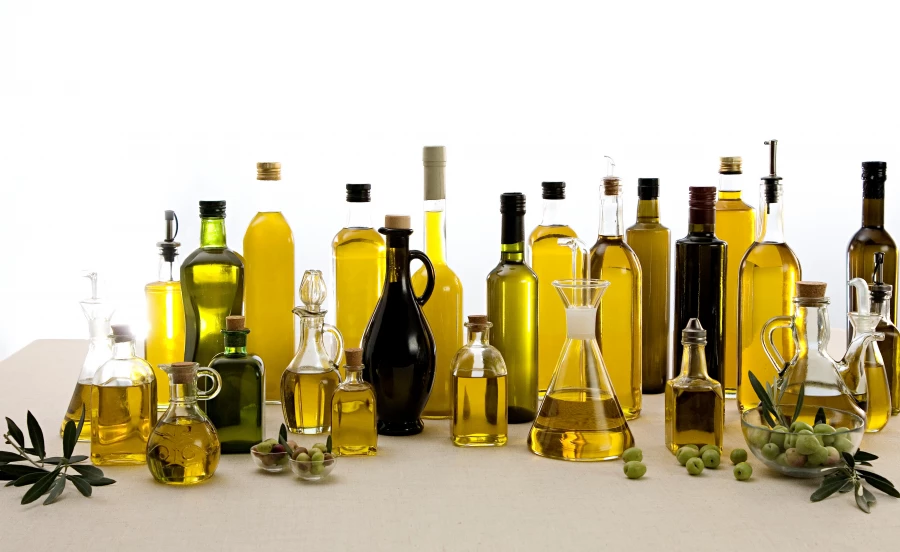
The new specific plan for controlling the quality of olive oil and olive-pomace oil, designed by Spain’s Ministry of Agriculture, Fisheries and Food for implementation from 2026 onwards, includes new reinforcement measures aimed at offering greater guarantees to consumers and protecting the quality of one of the most emblematic products of the Spanish agri-food sector.
The plan, endorsed by all the autonomous communities at the latest meeting of the Food Quality Coordination Board (Mecocala) held on 17 December, together with the Ministry of Economy, Trade and Enterprise’s foreign trade control services (SOIVRE) and the General Subdirectorate for Coordination, Quality and Consumer Cooperation, strengthens monitoring at the most sensitive points in olive oil production and marketing.
The update is aligned with the new National Official Control Plan for the Food Chain 2026–2030 and intensifies inspections at all stages of the olive oil chain, from production to final sale.
Among the main measures, the plan maintains a minimum of 20% annual inspections in the olive oil industry and strengthens controls in the marketing sphere, both at points of sale and at border controls. These actions seek to prevent irregular practices and reinforce consumer confidence.
In addition, a significant part of the measures will focus on monitoring production processes, identifying critical points where breaches of national and EU regulations on the quality and marketing of olive oil and olive-pomace oil may occur.
As a new feature, the special anti-fraud guide is being improved to place greater emphasis on risk analysis and on more effective use of the ministry’s IT tools for production and traceability: the Olive Oil Market Information System (SIMO) and the Bulk Olive Oil and Olive-Pomace Oil Movement Register (REMOA). To this end, technical workshops will be organised for regional inspection services, delivered by officials from the Food Information and Control Agency (AICA).
With this renewed boost to official controls and cooperation between public authorities and the sector, Spain strengthens its position as an international leader in defending the quality and authenticity of olive oils.
 Sentido Común Internet
 Agrifood Comunicación

 Only available by accessing from Safari
